Appeal of the dark net often captivates those curious about the privacy it supplies. As a secret part of the Net, the dark web houses numerous platforms that operate outside the scope of traditional law authorities. While often linked with illicit activities, these deep web markets appeal to buyers for numerous motivations, including anonymity issues to the existence of unique goods that are not found in conventional markets.
Comprehending the nuances of darkweb markets is essential for anyone looking to explore this mysterious landscape. Whether you are a investigator, a IT security professional, or merely someone intrigued by the mysteries of the web, this guide aims to clarify the operations of these venues, delivering insights into their functioning, potential dangers, and the evolving nature of business in the underbelly of the hidden web.
Overview to Dark Web Markets
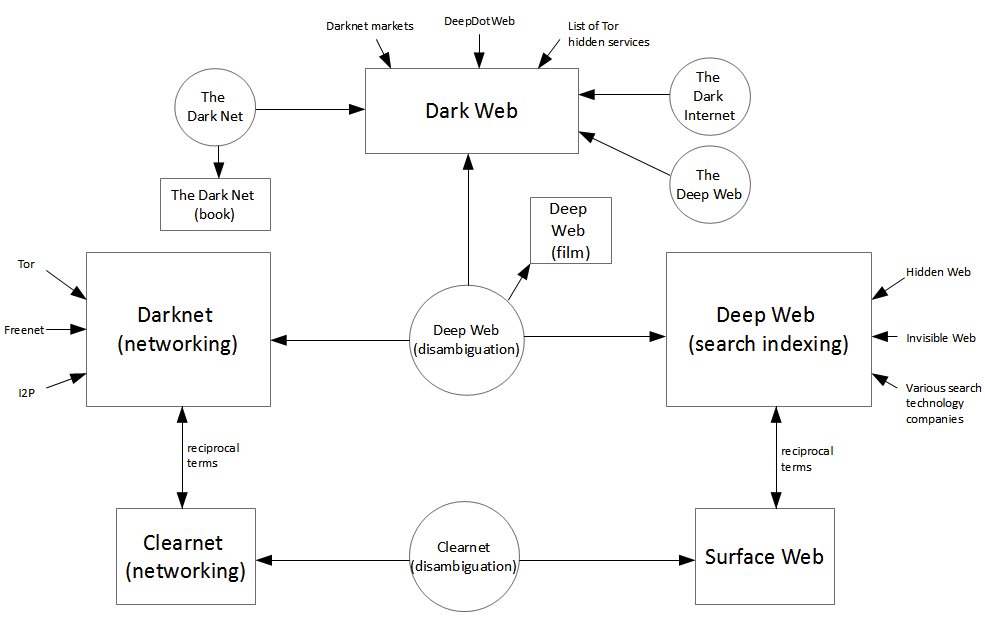
The dark web is a segment of the web that is not indexed by traditional search engines, which creates it a hidden realm where participants can function with more anonymity. This aspect of the web is often linked to illegal activities, and one of its significant features is the presence of dark web marketplaces. These markets function similarly to online marketplaces where products and services can be purchased and sold, but they usually concentrate in forbidden products such as narcotics, arms, and forged items.
Accessing dark web marketplaces involves the use of specific software, most commonly Tor, which conceals users' identification by routing their web data through multiple nodes. This secrecy attracts both sellers and buyers who want to keep themselves unnoticed by law enforcement. However, with this appeal comes a variety of hazards, including deceptions, interaction to hazardous materials, and the potential for judicial consequences. It is crucial for anyone venturing into these marketplaces to be aware of these threats.
The organization of darkweb marketplaces often mirrors that of legitimate online platforms, featuring customer ratings, ratings, and classifications for different goods. Each marketplace has its own guidelines and systems, some operating as independent platforms for cybersecurity offerings while others focus exclusively on tangible products. As such, the terrain of darkweb markets is constantly transforming, influenced by the authorities crackdowns and consumer need, making it a fluid yet dangerous environment.
Understanding Darknet Mechanics
The darknet operates on a distinct set of principles that distinguish it from the surface web. One key element is the focus on anonymity. Users rely on particular software, such as Tor, to connect to underground services that are not cataloged by mainstream search engines. This anonymity fosters a culture where illicit activities can thrive, although not every single darknet transactions are unlawful. The mechanics of faith within these markets are complex, relying heavily on user ratings and established authenticity frameworks.
Stores on the dark web are volatile and can change quickly, with new players joining and existing ones vanishing. darkmarket link creates a constantly evolving landscape where buyers and sellers must respond rapidly. It is not rare for stores to be short-lived, often ceasing operations due to law enforcement actions or internal conflicts. Even so, the durability of these platforms means that new sites frequently appear, offering goods ranging from contraband substances to fake IDs.
Another vital aspect is the method of transaction used in these stores. Cryptocurrencies, particularly BTC, play a pivotal role in facilitating transactions while preserving user privacy. However, variations in digital currency values can significantly influence the interactions of selling and selling on the dark web. As users seek to mitigate threats associated with price fluctuations, alternative currency forms such as stablecoins are gaining traction, adding another layer of challenge to the market ecosystem of these stores.
Security and Safety on the Darkweb
Browsing darkweb markets demands a significant degree of vigilance and precaution. Individuals must arm themselves with protections such as VPNs and onion browsers to guarantee their identities and activities remain hidden. Such measures help encrypting web traffic and hiding your internet protocol address, making it challenging for anyone to trace your online actions. Moreover, always verify the legitimacy of the websites you browse, as numerous can be frauds designed to harvest personal data or distribute malware.
One more critical aspect of safety on the darkweb is the management of transactions. Many dark web exchanges use crypto, as they offer a level of privacy. However, it is essential to use safe wallets and to be mindful of the threats associated with crypto fraud and hacking. Regularly conduct transactions with care, understanding the methods of protecting your funds and ensuring you are not falling victim to fraud. Developing a sense of doubt towards offers that seem unrealistic can protect you from potential harm.
In conclusion, practice good operational practices. This involves avoiding the sharing of personal information and being careful about the data you reveal even in encrypted services. Regularly refresh your protection software and stay updated about the latest threats arising in dark web spaces. Informing yourself about safe practices assists in recognizing possible risks and strengthens your safety while navigating the vast and often dangerous realms of the darknet.